Cross-digital techniques
Variable sizes
2021—2023
The DIGITAL DYSMORPHÍA SERIES highlights the increasingly widespread phenomenon of dysmorphophobia — now recognized as a psychological disorder. This condition is fueled primarily by the pursuit of "perfection" that dominates social networks, where curated digital images often evolve into unhealthy obsessions, distorting the positive self-image. In this new territory of reality distortion, technology reshapes the way we perceive ourselves — our identities, attitudes, and behaviors. The flood of digitally manipulated, unrealistic imagery infiltrating daily life erodes self-confidence, altering how individuals function both socially and professionally. Cosmetic surgery, for some, becomes a tool to emulate filtered versions of themselves —fantasized ideals that drift ever farther from reality — attempting to match these fictitious representations results in a profound dissonance between perception and reality. DIGITAL DYSMORPHÍA imposes inaccessible beauty standards, driving people into a relentless, often dangerous pursuit of perfection. The physical body, integral to our identity and rooted in genetic legacy, becomes a battleground for self-worth and societal validation. Body identity development is inextricably linked to the evolution of self-identity. To accept that the body might serve as a receptacle for human consciousness is to embrace the concept of multi-identities — fluid, plural, and evolving. If, in the future, consciousness can be relocated into a new body—whether naturally born, altered, or artificially constructed — then the same principle could be extended to artificial intelligence. This philosophical leap raises a fundamental question: What does it truly mean to be human?
digital
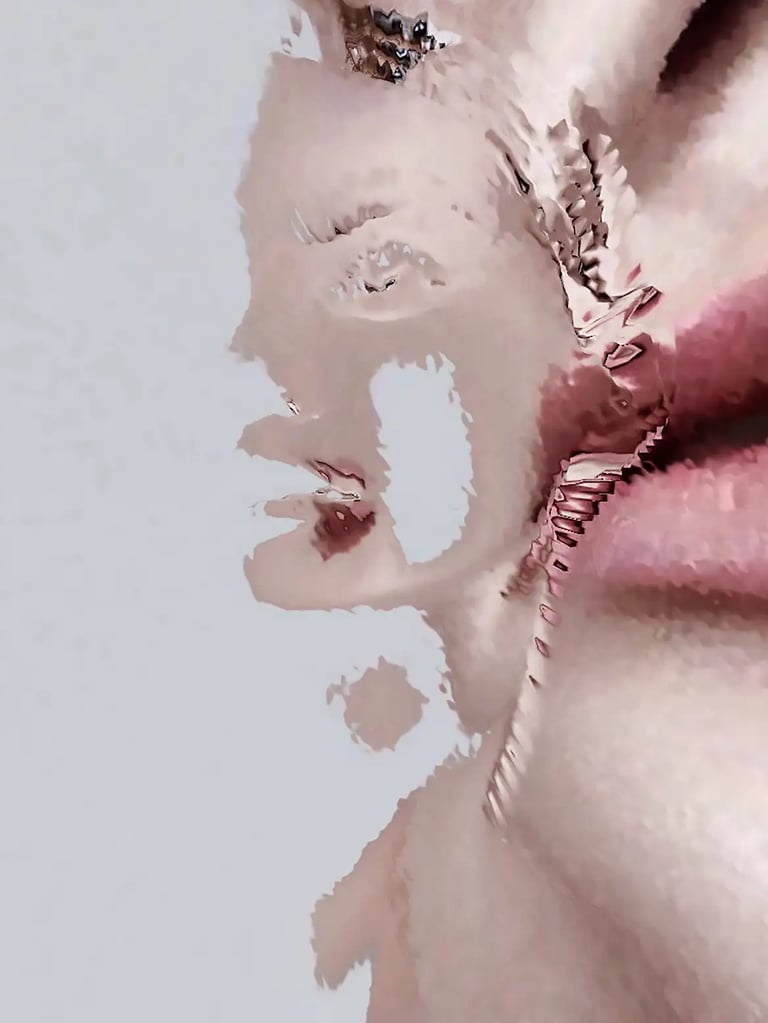
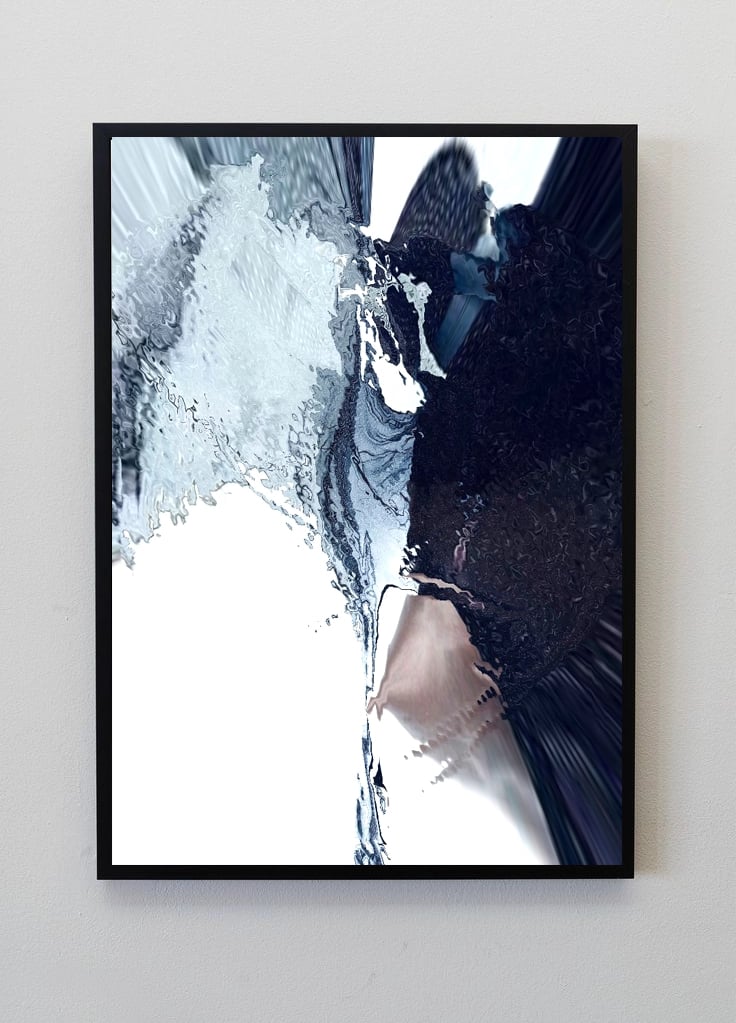
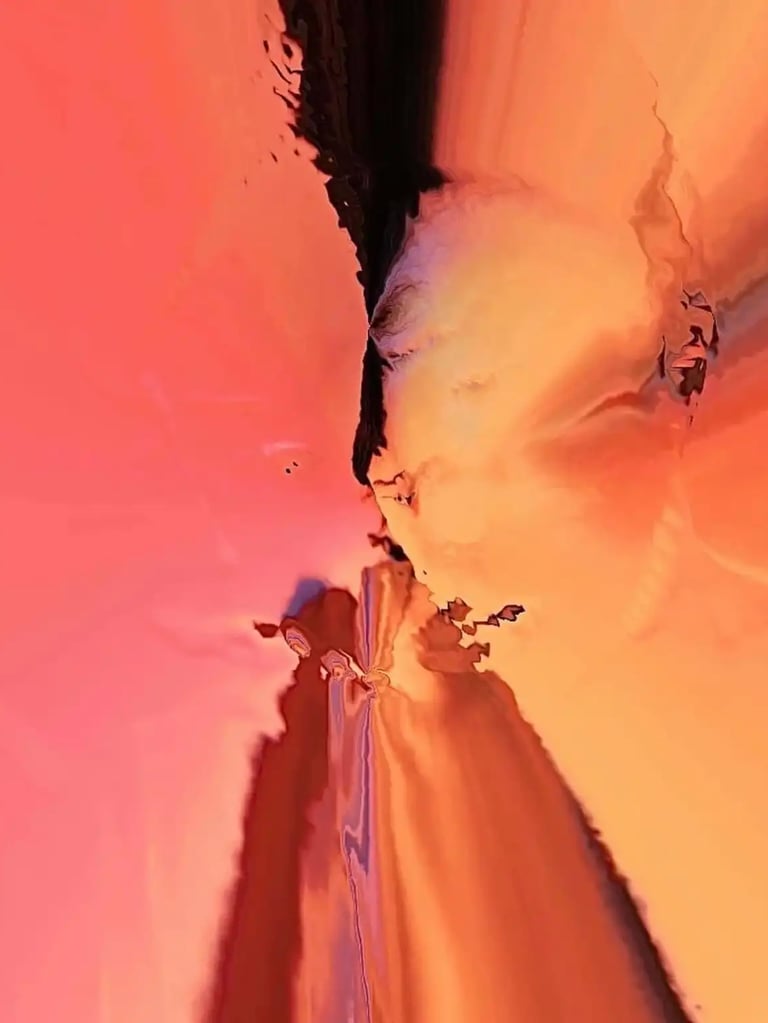
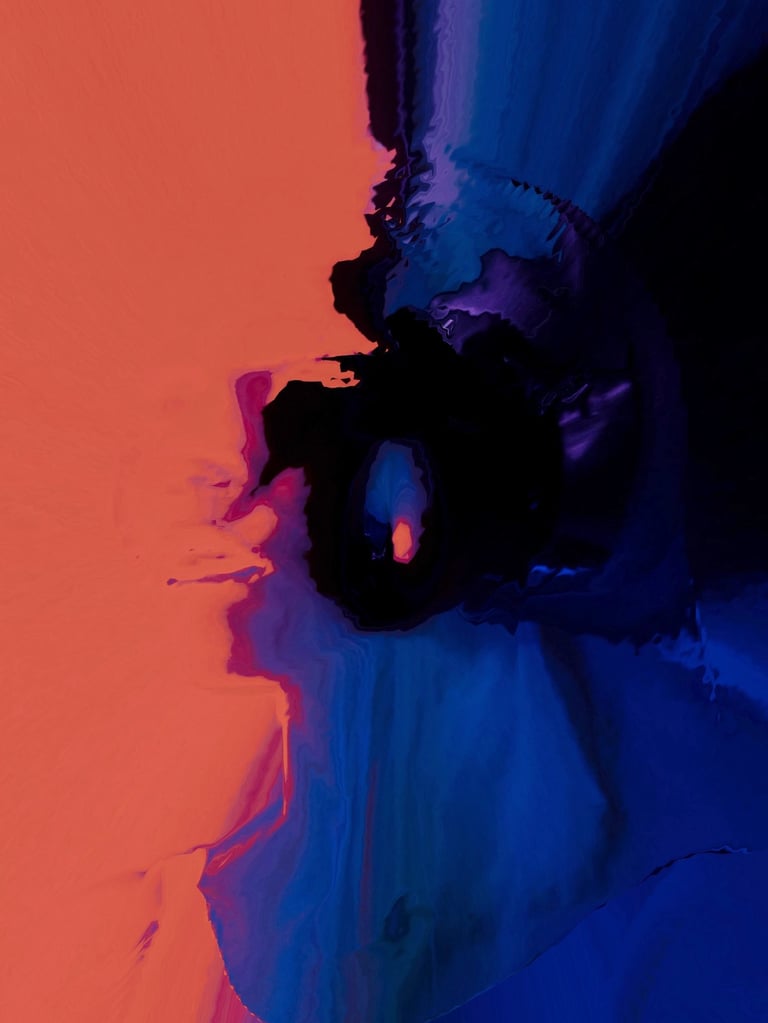
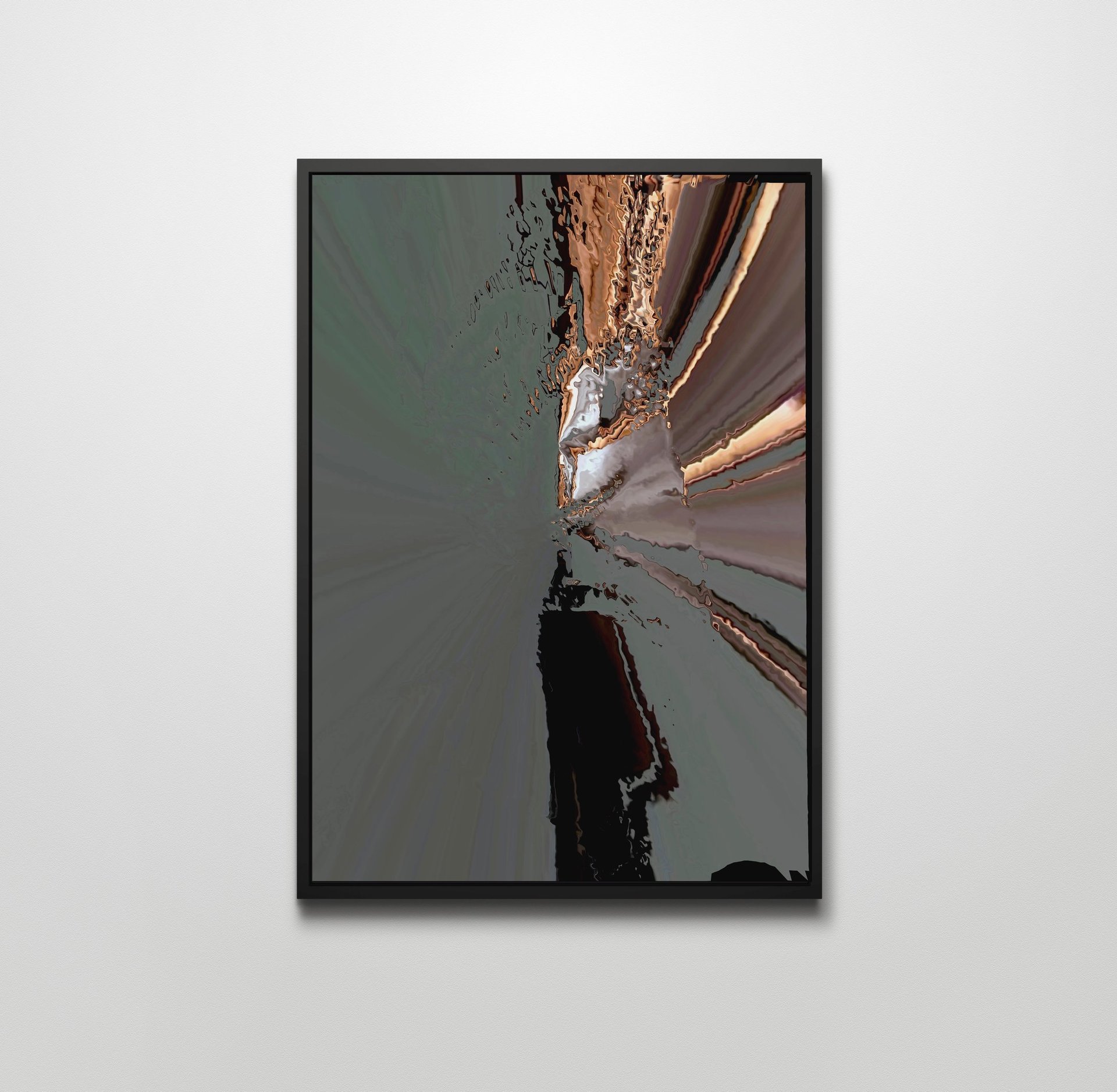
More examples of the DIGITAL DYSMORPHÍA SERIES exist. If you are interested in this ongoing exploration of identity, technology, and visual distortion, feel free to reach out here.