Chronoscapes of Digital Memory: a fusion between landscape, time, and digital trace
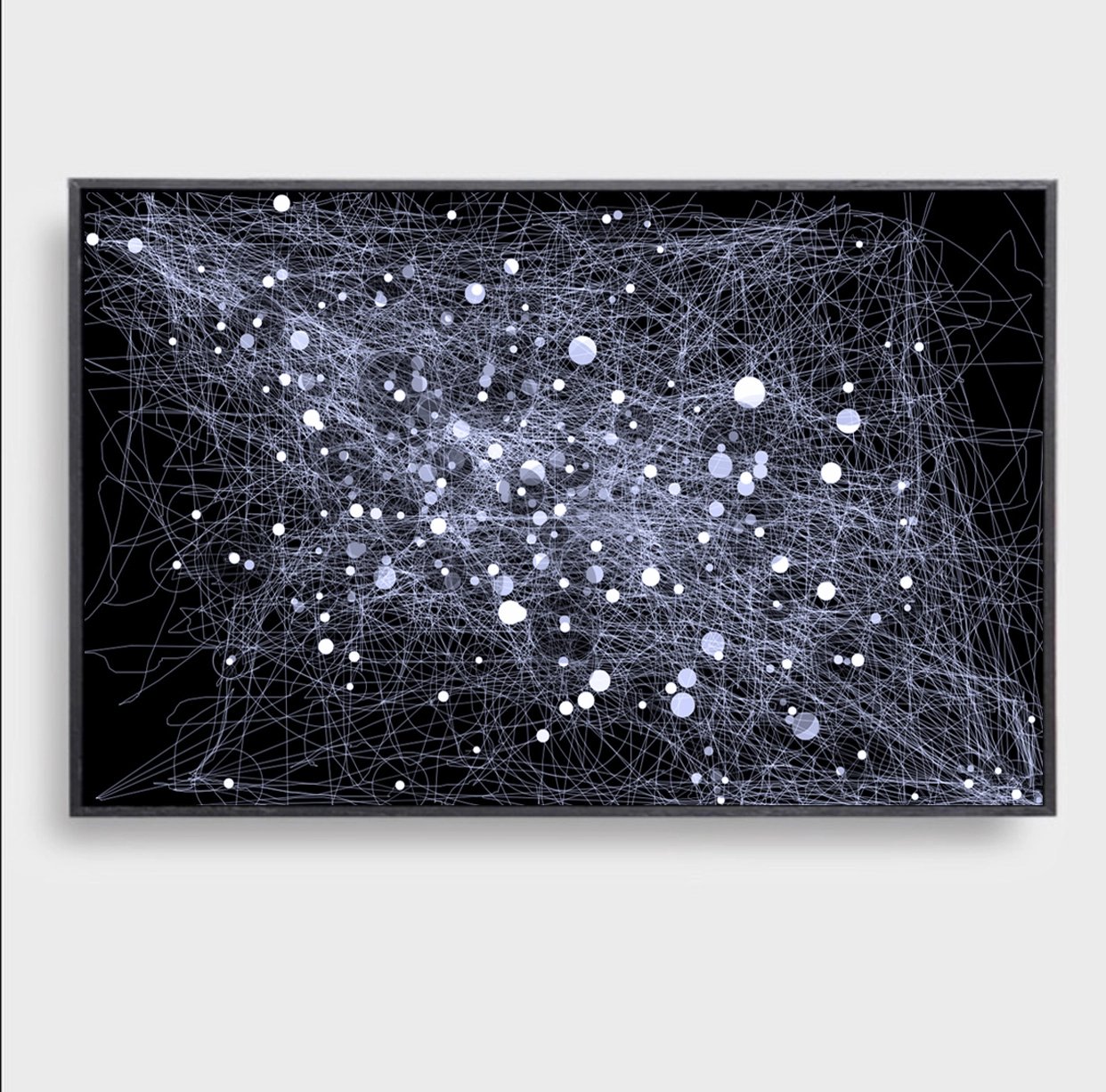
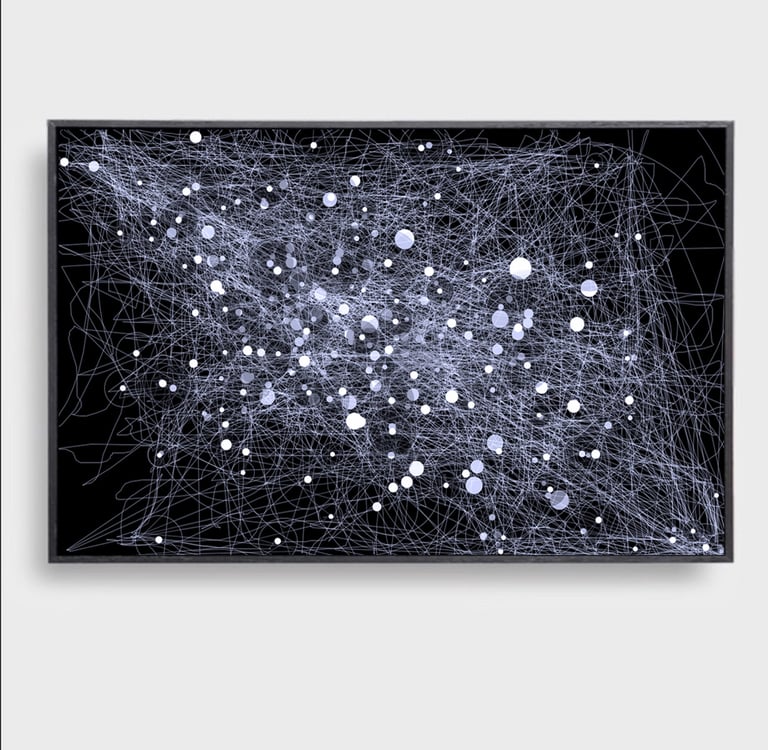
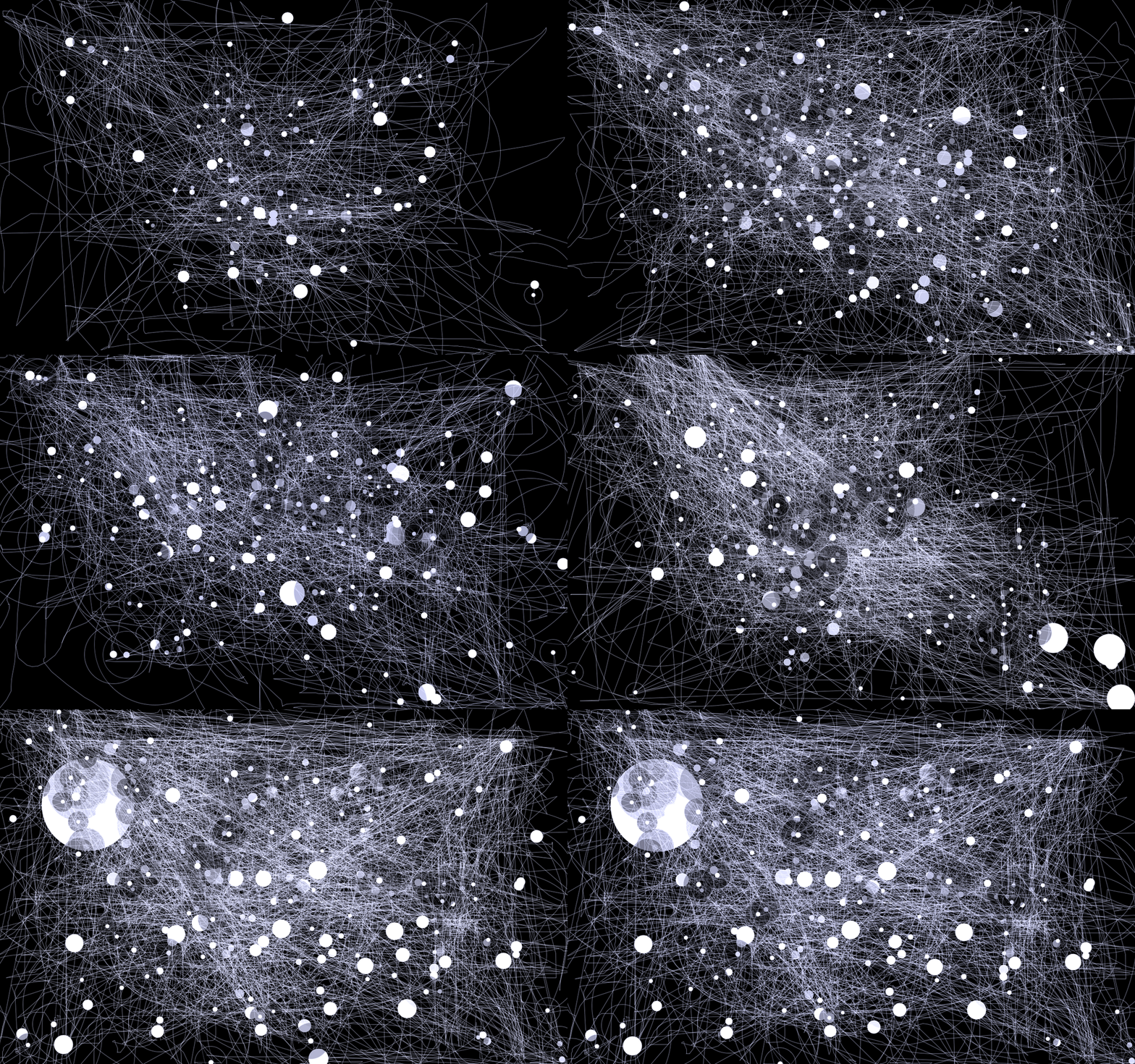
DIGITAL PRINT OF TIME is a series that proposes to rethink the notion of time and its limits. Utilizing the diversion of open-source software that tracks mouse movements and converts them into a single image, this project redefines the representation of time. This image does not represent the reel duration of time but its conversion into movements. Such a digital amplification of time relativity does not create a new dimension of measurement, but rather a different representation of duration and its limits. DIGITAL PRINT OF TIME interrogates the fabric of temporality through an unexpected lens: the erratic choreography of a computer mouse. By repurposing open-source software that traces and compresses these movements into a singular image, the series dismantles classical conceptions of time as linear or quantifiable, and reimagines it as a field of embodied gesture, dispersed attention, and psychic intensities. Philosophically, the project aligns with Henri Bergson’s notion of duration la durée — time not as a measurable sequence, but as a qualitative flow of lived experience. Here, duration is not recorded but translated into kinetic impressions.
digital print of time
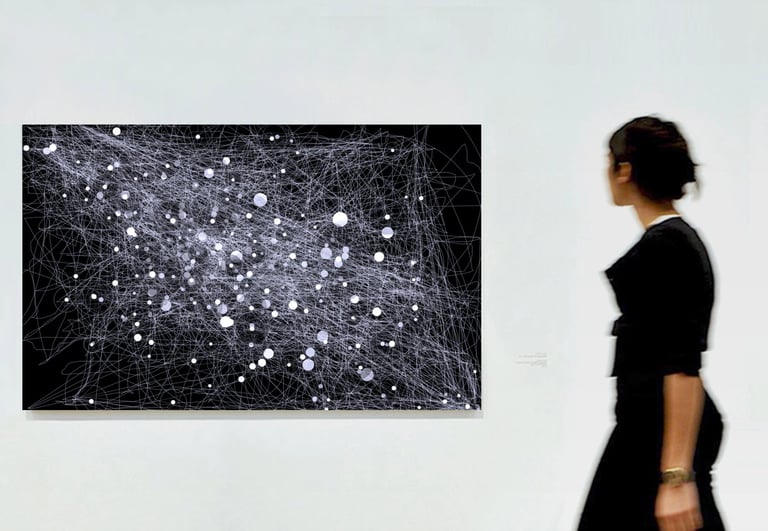
What emerges is not a graph of time, but a visual sedimentation of micro-decisions, hesitations, navigations, and intuitive choices—time expressed as affective trace rather than clockwork. In doing so, DIGITAL PRINT OF TIME opens a new dialogue between perception and digital abstraction. The screen becomes both a canvas and a chronometer, capturing time as movement within the interface—an ephemeral choreography inscribed into visual form, suggesting that time may be felt, acted upon, and traced, but never truly pinned down. The project also destabilizes the logic of representation. By shifting focus from what is visually depicted to how interaction unfolds, it bypasses symbolic reference in favor of experiential mapping. This is not a documentation of duration, but a visualization of its paradox: non-linear, non-reversible, and resistant to objectification.
Cross-digital techniques
Fine Art print mounted on Dibond
2019 —2025