oh — ah
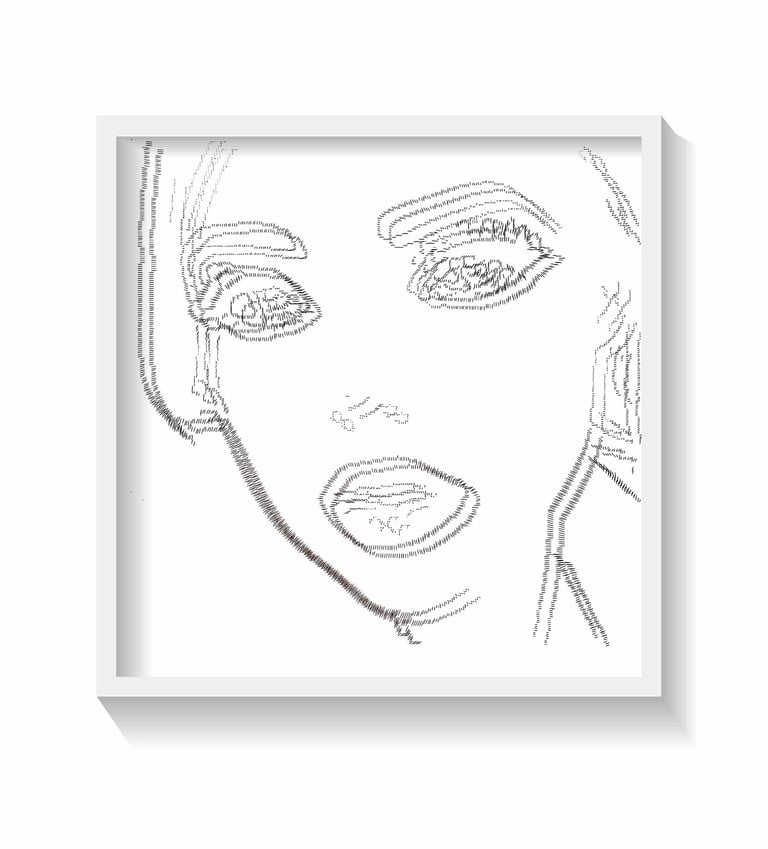
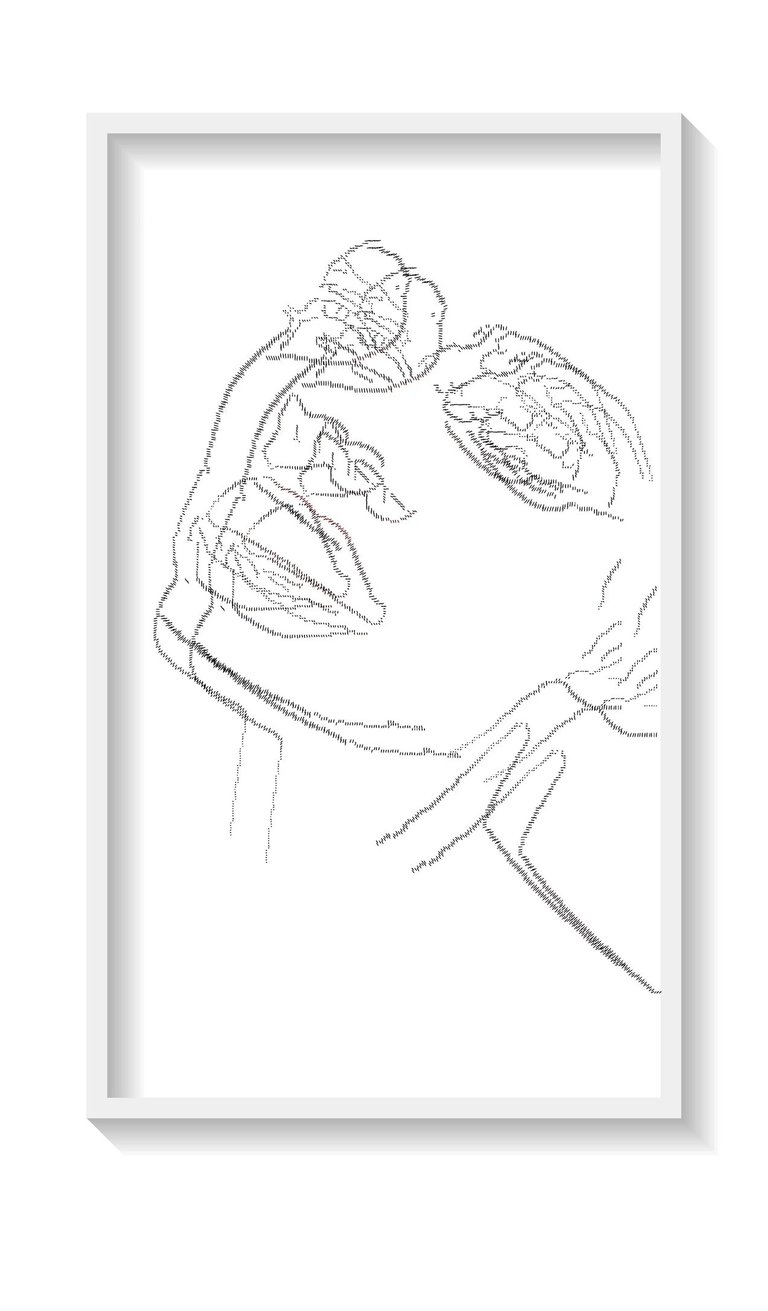
“I extract the image until it forgets its purpose — to seduce, to sell. What remains is a face no longer performing, but lingering in its own digital echo.“
Cross-digital techniques
Variables sizes
2016 — 2018
OH—AH is a series born from the visual residue of advertisements that objectify women, images designed to seduce, sell, and simplify. By appropriating these commercial visuals and subjecting them to algorithmic subtraction, the series transforms their glossy surfaces into sparse, digital drawings that expose the artificiality of their expression. What remains is a ghost of the original, a face stripped of context, reduced to lines and voids, yet paradoxically more revealing. The process itself is a conceptual act — a digital erasure that critiques the mechanisms of visual culture. Through algorithmic intervention, the seductive image is deconstructed, its emotional cues distorted, its humanity abstracted. These faces — once curated for desire — become uncanny masks, suspended between recognition and alienation. Their open mouths, tilted heads, and vacant gazes evoke not sensuality, but simulation. Philosophically, OH—AH engages with themes of post-feminist critique, digital identity, and media archaeology. It questions how algorithmic systems perpetuate aesthetic norms and gendered stereotypes, and how the digital gaze reshapes our understanding of beauty, emotion, and presence.
The series also reflects on the mechanization of desire, where expressions are no longer spontaneous but encoded, optimized, and endlessly reproduced. In aesthetic terms, the drawings echo a kind of digital minimalism, where absence becomes form and reduction becomes revelation. The artificiality of the faces is not hidden; it is heightened, inviting viewers to confront the tension between intimacy and simulation, allure and alienation. OH—AH is not just a critique, it is a reclamation. By reprocessing these images through a conceptual lens, the series reclaims agency over the visual narrative, turning passive consumption into active reflection. It asks us to look again, not at what is shown, but at what is missing.
If you are interested to learn more about other works from this series, please feel free to reach out here.